Tree Lopping Service in Allentown, PA
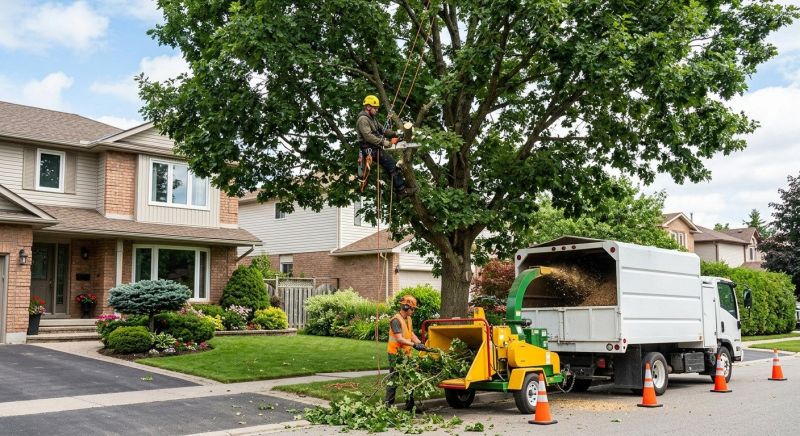
Tree lopping services involve the careful removal of specific sections or entire branches of a tree to improve its health, safety, or appearance. This type of work is often requested for projects such as reducing the size of overgrown trees, removing dead or damaged branches, clearing space around structures, or managing tree growth in confined areas. Property owners typically seek tree lopping to prevent potential hazards like falling limbs, to promote healthier growth, or to enhance the overall aesthetic of their yard.
Before requesting tree lopping, property owners should consider the condition and species of the tree, as well as the desired outcome of the project. It is important to understand the potential impact on the tree’s health and appearance, and to ensure that the work complies with local regulations or guidelines. Clear communication about the scope of the project and any specific concerns can help ensure that the tree lopping service meets expectations and maintains the safety and beauty of the property.
Many property owners in Allentown, PA look into Tree Lopping Service for repairs, replacements, upgrades, and appearance-related improvements.
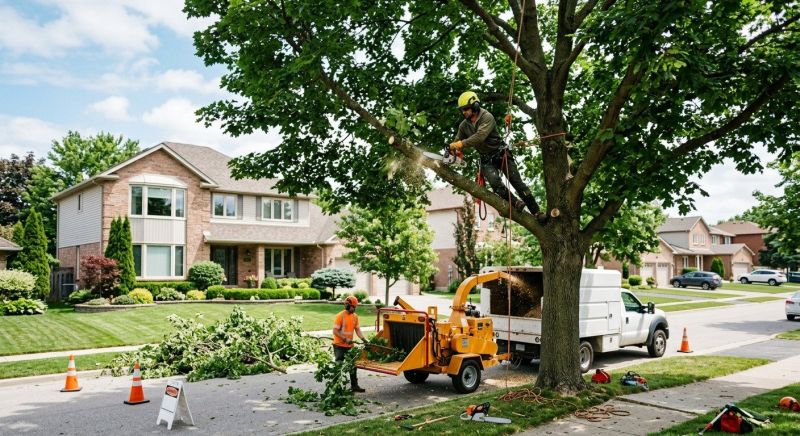
Tree Lopping For Property Safety
Proper tree lopping helps prevent damage to structures and reduces safety hazards around your property.
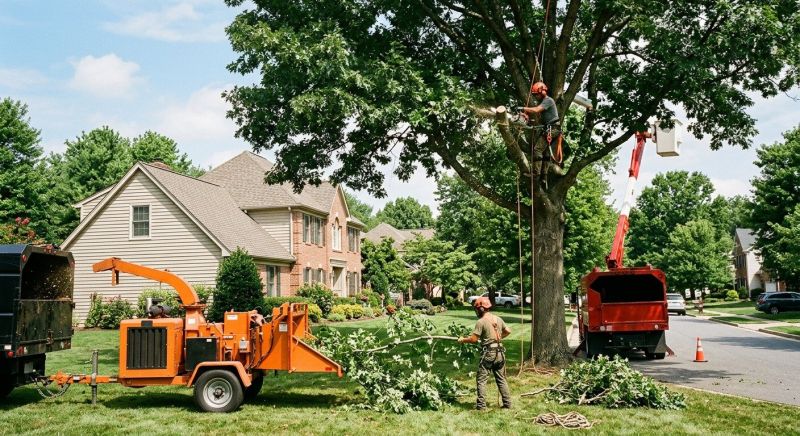
Maintaining Tree Health And Appearance
Selective pruning and lopping can improve the health and aesthetic appeal of trees in allentown neighborhoods.
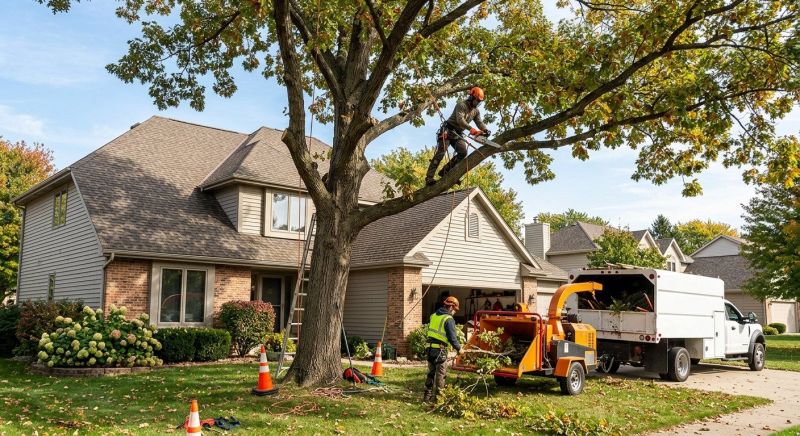
Managing Overgrown Or Hazardous Trees
Tree lopping is essential for removing dead or overgrown branches that may pose risks during storms or high winds.
Tree Lopping Service in Allentown, PA

Tree lopping services involve the careful removal of specific sections or entire branches of a tree to improve its health, safety, or appearance. This type of work is often requested for projects such as reducing the size of overgrown trees, removing dead or damaged branches, clearing space around structures, or managing tree growth in confined areas. Property owners typically seek tree lopping to prevent potential hazards like falling limbs, to promote healthier growth, or to enhance the overall aesthetic of their yard.
Before requesting tree lopping, property owners should consider the condition and species of the tree, as well as the desired outcome of the project. It is important to understand the potential impact on the tree’s health and appearance, and to ensure that the work complies with local regulations or guidelines. Clear communication about the scope of the project and any specific concerns can help ensure that the tree lopping service meets expectations and maintains the safety and beauty of the property.
Many property owners in Allentown, PA look into Tree Lopping Service for repairs, replacements, upgrades, and appearance-related improvements.
Common Tree Lopping Service Jobs
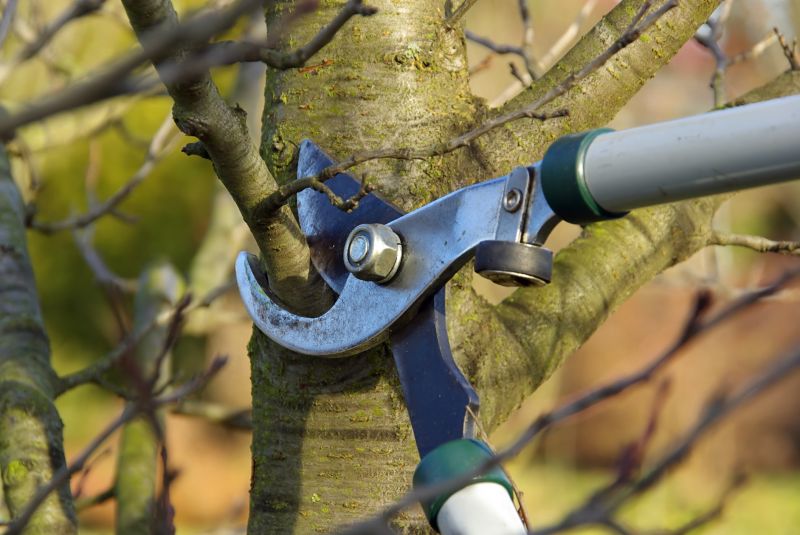
Tree pruning - selective trimming to promote healthy growth and maintain shape.
Deadwood removal - eliminating broken or diseased branches to prevent damage.
Storm damage cleanup - removing fallen or broken branches after severe weather.
Safety clearance trimming - creating space around power lines and structures.
Overgrown tree reduction - reducing tree size to improve property access and visibility.
Fruit tree lopping - shaping fruit trees for better yield and easier harvest.
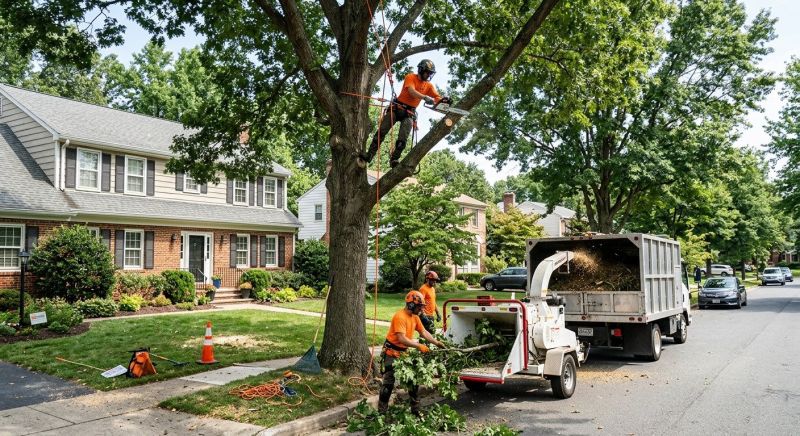
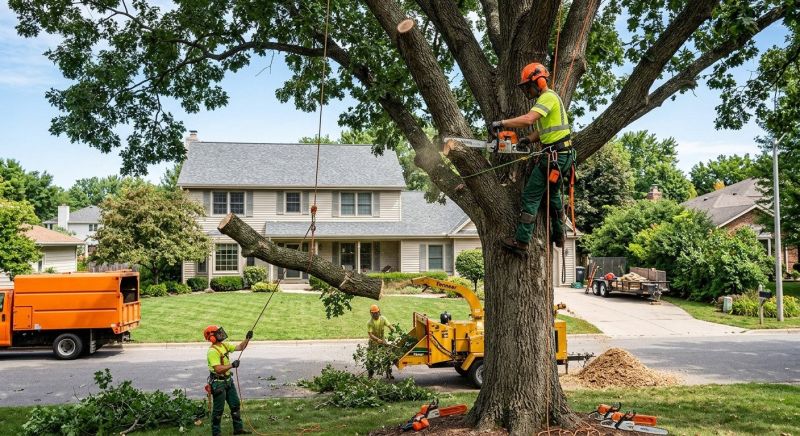
Tree Lopping Service Questions
What is tree lopping? Tree lopping involves removing specific branches or sections of a tree to improve its structure, health, or safety.
When should tree lopping be considered? It is typically done to remove damaged, dead, or overgrown branches that may pose risks or affect the property's appearance.
Is tree lopping harmful to trees? When performed correctly, tree lopping can promote healthy growth and prevent potential hazards.
What are common reasons for tree lopping? Reasons include reducing size, removing hazardous branches, clearing space, or preparing for landscaping projects.
Request Tree Lopping Service in Allentown, PA
Use the quote form on this page to share the basics of your project and request more information for the type of work you need.