Tree Limbs Removal in Allentown, PA
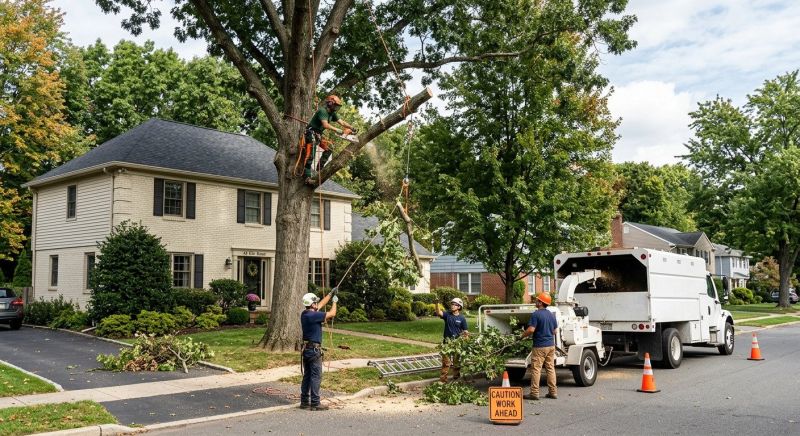
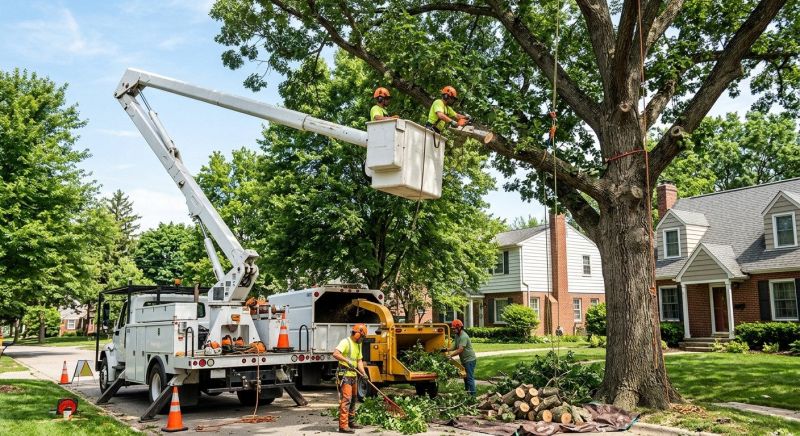
Tree limbs removal services involve the careful trimming and removal of overhanging or damaged branches to maintain the health and safety of trees on residential properties. This service is often requested for projects such as clearing away dead or broken limbs, reducing the risk of falling branches during storms, or shaping trees to prevent interference with power lines, roofs, or walkways. Homeowners typically seek this service to improve the appearance of their landscape, prevent potential property damage, or address safety concerns caused by overgrown or unstable branches.
Before requesting tree limbs removal, property owners usually want to understand the scope of the work, including which branches will be removed and how the process might affect the overall health of the tree. It’s also common to inquire about the safety measures taken during removal and how the debris will be managed afterward. Clear communication about these details helps ensure the project meets safety standards and aligns with the property owner’s landscape goals.
Many property owners in Allentown, PA look into Tree Limbs Removal for repairs, replacements, upgrades, and appearance-related improvements.
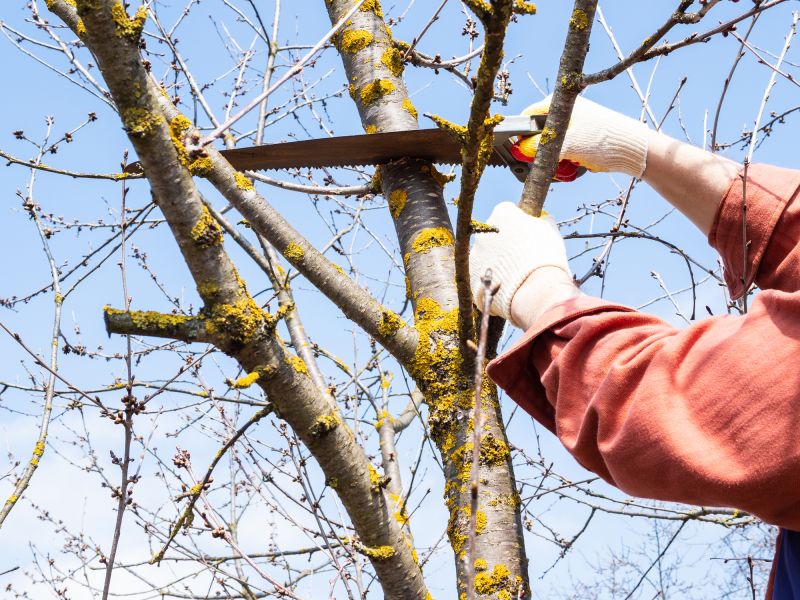
Tree Limb Safety
Removing dangerous or overhanging limbs helps protect property and loved ones.
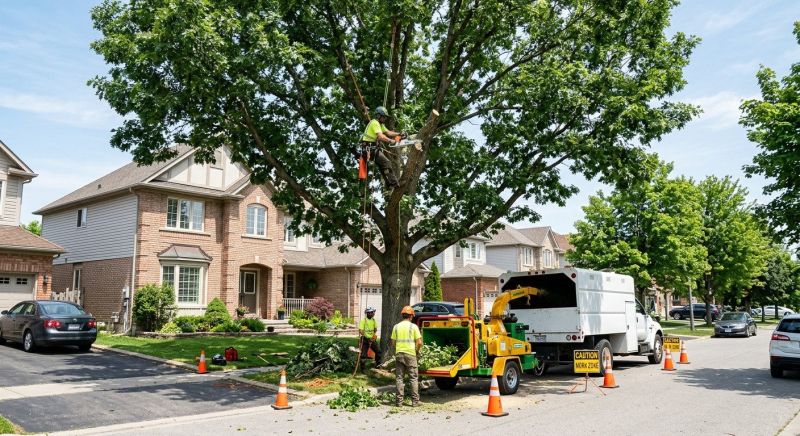
Property Maintenance
Regular limb removal keeps trees healthy and prevents damage during storms.
Aesthetic Enhancement
Pruning and removing excess limbs improves the appearance of trees and landscapes.
Tree Limbs Removal in Allentown, PA

Tree limbs removal services involve the careful trimming and removal of overhanging or damaged branches to maintain the health and safety of trees on residential properties. This service is often requested for projects such as clearing away dead or broken limbs, reducing the risk of falling branches during storms, or shaping trees to prevent interference with power lines, roofs, or walkways. Homeowners typically seek this service to improve the appearance of their landscape, prevent potential property damage, or address safety concerns caused by overgrown or unstable branches.
Before requesting tree limbs removal, property owners usually want to understand the scope of the work, including which branches will be removed and how the process might affect the overall health of the tree. It’s also common to inquire about the safety measures taken during removal and how the debris will be managed afterward. Clear communication about these details helps ensure the project meets safety standards and aligns with the property owner’s landscape goals.
Many property owners in Allentown, PA look into Tree Limbs Removal for repairs, replacements, upgrades, and appearance-related improvements.
Common Tree Limbs Removal Jobs
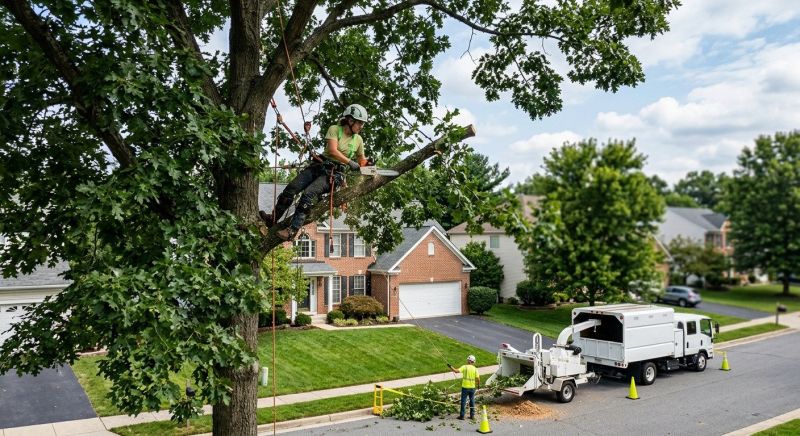
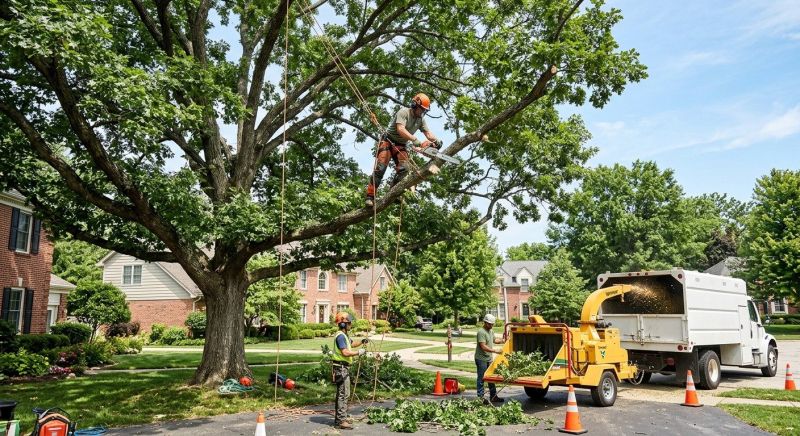
Tree limb removal - safely eliminates overhanging or damaged branches to improve tree health.
Emergency limb removal - addresses storm-damaged limbs that pose a risk to property or safety.
Crown thinning - reduces branch density to increase light and airflow through the tree canopy.
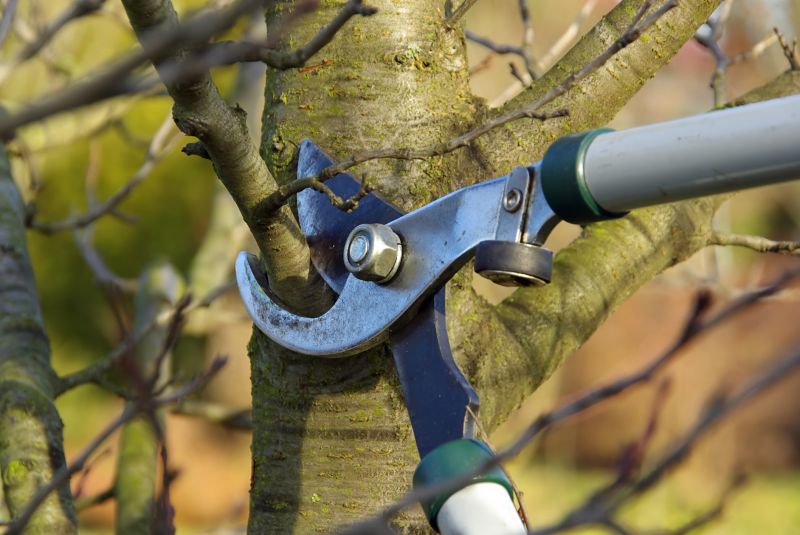
Selective pruning - removes specific limbs to shape the tree or prevent interference with structures.
Hazardous limb removal - targets limbs that are at risk of falling and causing damage or injury.
Utility line clearance - trims branches near power lines to prevent outages and ensure safety.
Tree Limbs Removal Questions
When is tree limb removal necessary? Tree limb removal is recommended when branches are dead, damaged, or pose a risk of falling, especially near structures or power lines.
How does limb removal benefit a property? Removing overgrown or hazardous limbs improves safety, allows more sunlight, and promotes healthy tree growth.
What types of limbs are typically removed? Usually, dead, diseased, broken, or crossing limbs are removed to maintain the tree’s health and safety.
Is limb removal suitable for all tree types? Limb removal can be performed on most tree species to address safety concerns or improve aesthetics.
Request Tree Limbs Removal in Allentown, PA
Use the quote form on this page to share the basics of your project and request more information for the type of work you need.